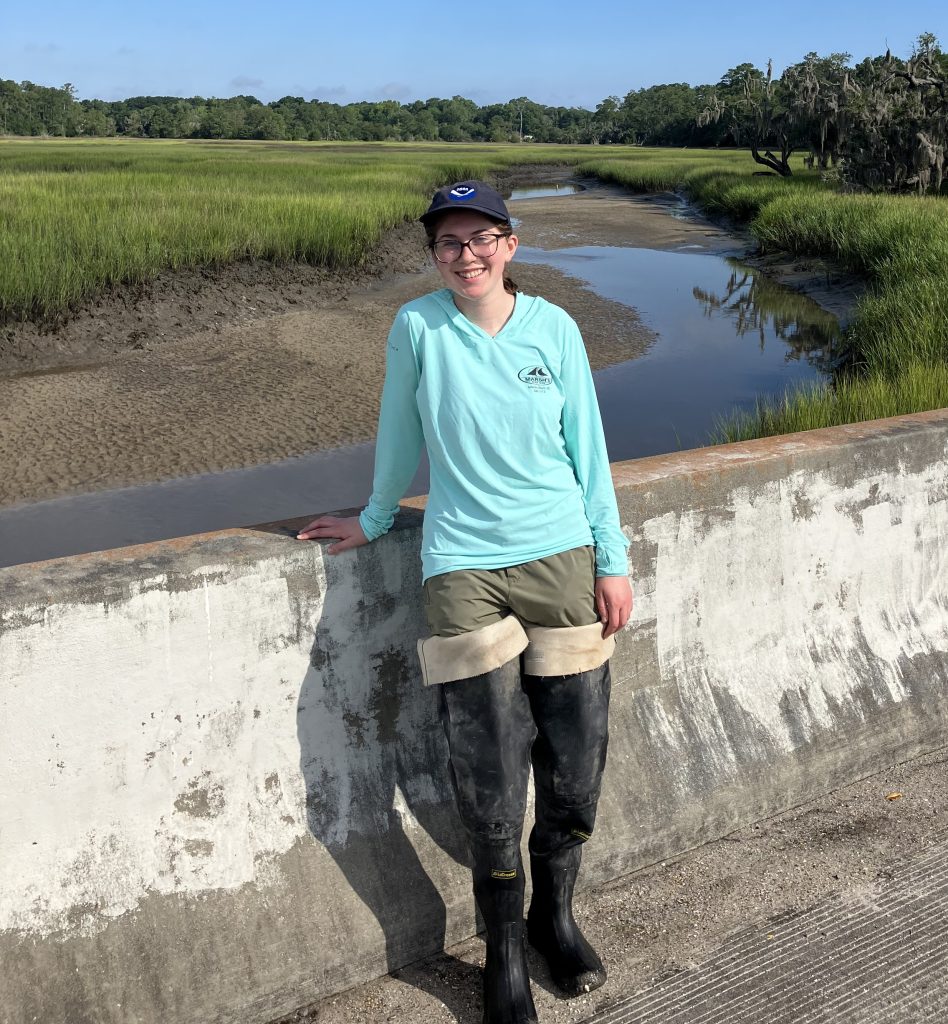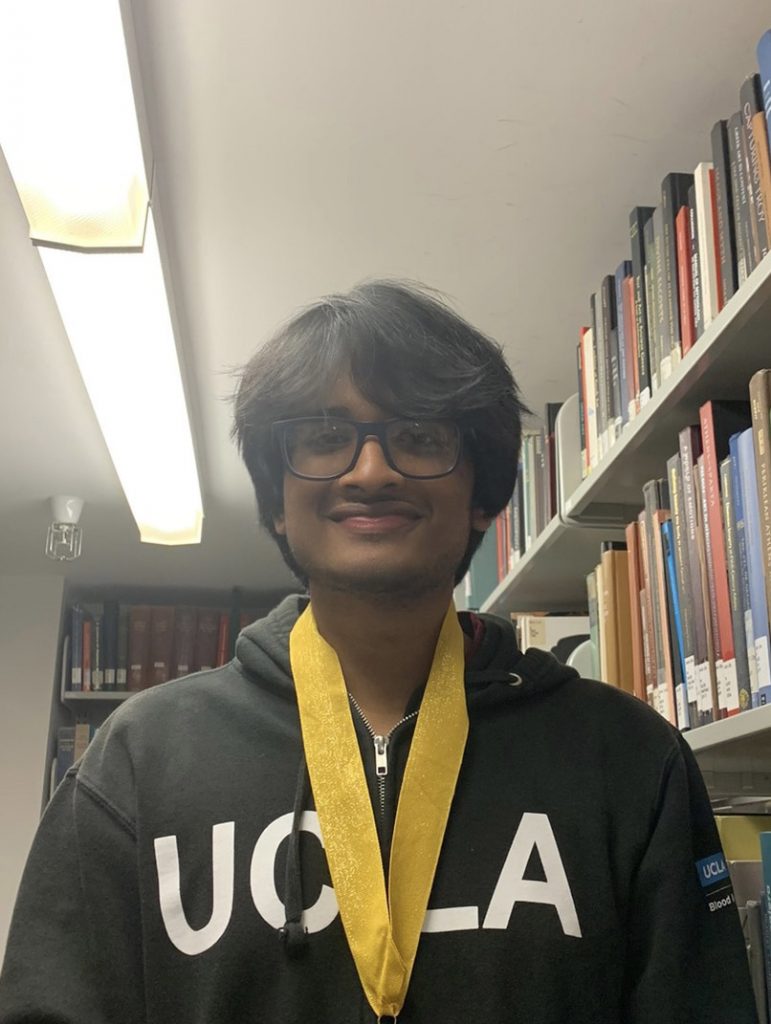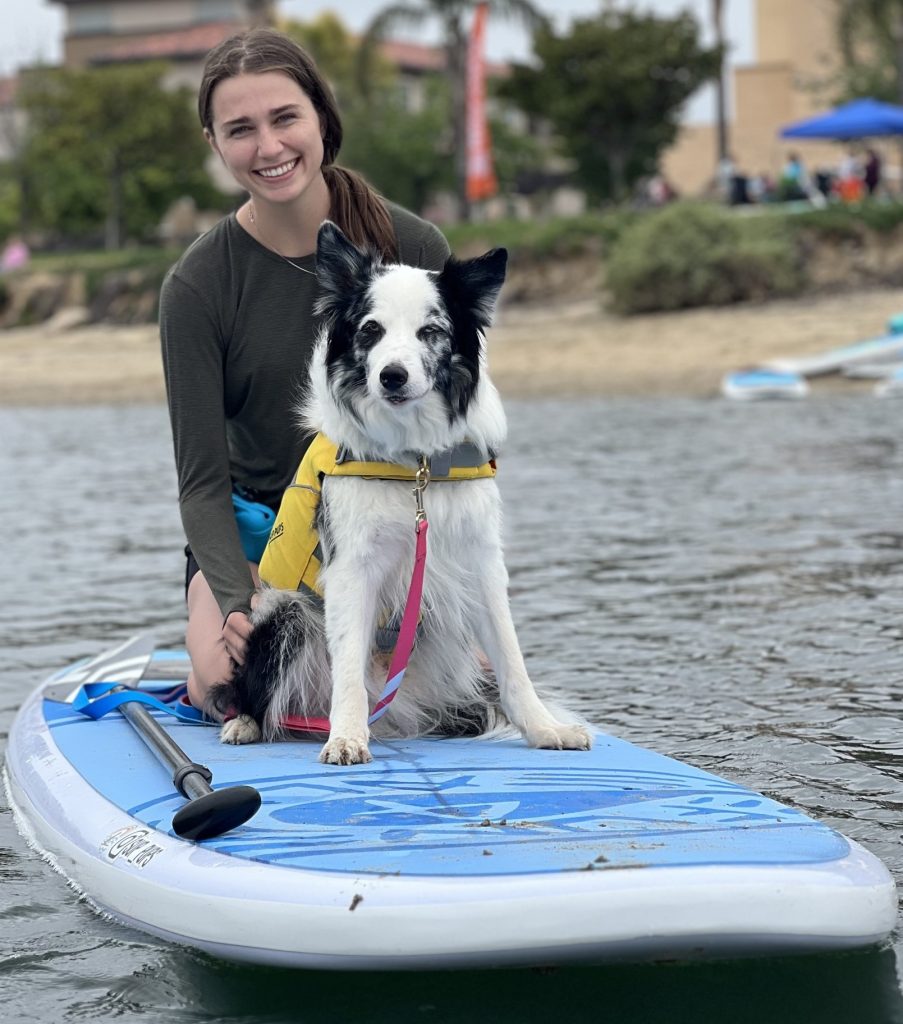

Alex George
Alex earned his B.S. in environmental science from the University of South Carolina in 2016. Prior to graduate school, he had work experiences in environmental chemistry, microbiology, and immunology, and eventually developed a passion for environmental toxicology. His research in the Meyer lab involves mechanisms of mitochondrial DNA (mtDNA) damage processing and removal. Outside the lab, you can find him enjoying comedy in all its forms, finding weird things at thrift stores, and spending time with his dog.
PhD Program: Environment
2025-2026 Status: 4th year
Pronouns: he / him / his
Aliyah Webster
Aliyah earned her B.S. in Biochemistry and a minor in math from Spelman College in 2024. As an undergraduate, she worked as an organic chemistry research assistant to optimize the Syntheses of Aspirin and Acetaminophen lab procedures and co-develop a chemistry coloring book. She also conducted biology research on biosynthetic gene clusters to identify novel producers of known antibiotics in the root microbiome, as well as analytical chemistry research on lead concentrations in soil and drinking water around Atlanta’s West End.
Aliyah’s previous internships include her work with G.C. Therapeutics, Inc. on neurodegenerative disorders that could benefit from cell therapy; her research at The Johns Hopkins School of Medicine on the efficacy of CEST MRI evaluation of glutamine utilization and ASCT2 transport for detecting human prostate cancer; and her fellowship with Station1, a higher-education institution dedicated to socially-directed science and technology. In the Meyer lab, Aliyah is using C. elegans to study the mechanisms by which environmental pollutants induce neurotoxicity via mitochondrial interference and contribute to abnormalities observed in human neurobehavioral and neurological disorders. She plans to leverage her environmental toxicology background to get justice for marginalized citizens disproportionately exposed to pollutants and reduce the prevalence of adverse health outcomes in their communities. In her free time, Aliyah likes to go to the gym, volunteer at her church, spend time with friends and family, and go to concerts and music festivals.
PhD Program: Environment
Faculty Advisor: Joel Meyer, PhD
2025-2026 Status: 2nd year
Contact: aliyah.webster@duke.edu
Pronouns: she / her / hers
LinkedIn: https://www.linkedin.com/in/aliyahwebster/
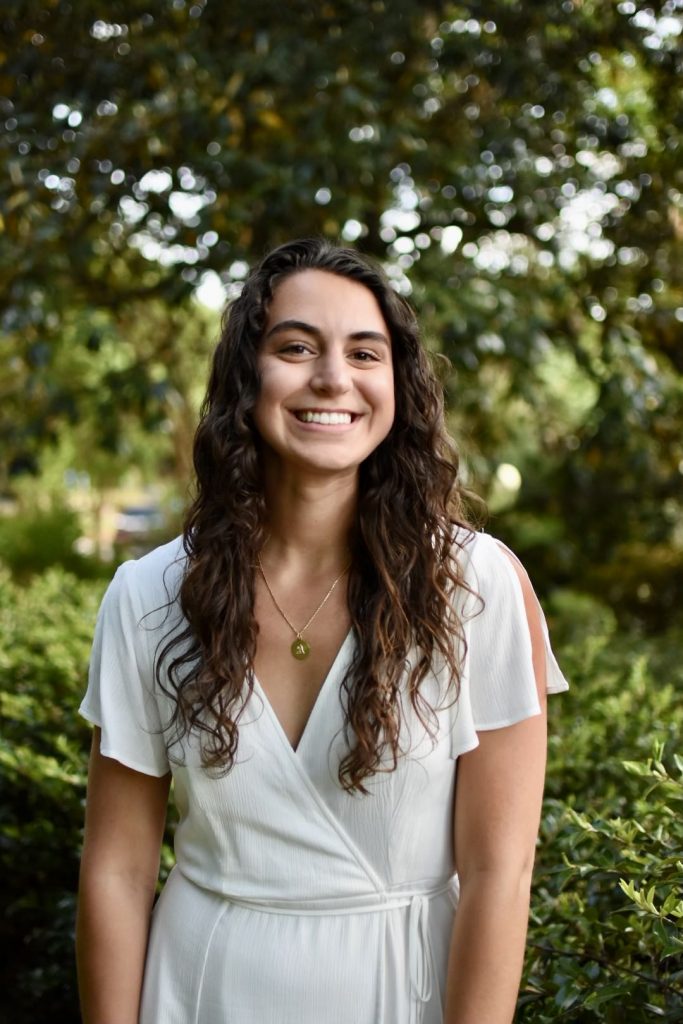
Amelia Foley
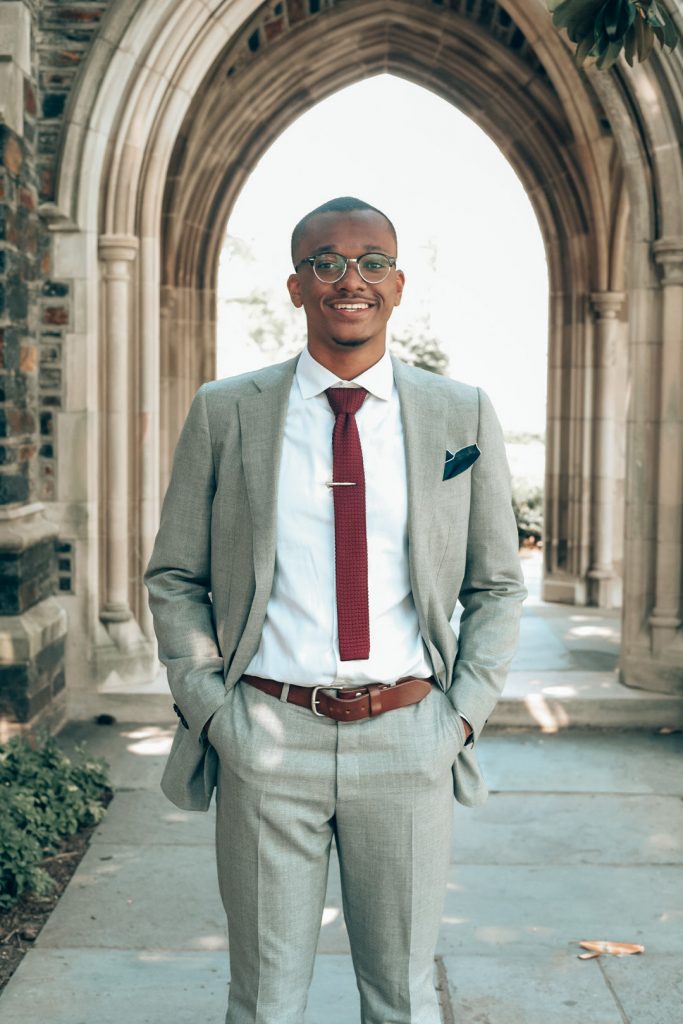
Amelia earned her B.S. in Environmental Health Science from the University of Georgia in 2022. As an undergraduate she conducted research in environmental microbiology, working on projects relating to aquatic microbiology, freshwater microplastics, and molecular epidemiology/COVID-19 surveillance. In the Gunsch lab, she aims to focus her doctoral research on bioremediation and emerging contaminants.
PhD Program: Civil & Environmental Engineering, Environmental Health Engineering track
2025-2025 Status: 4th year
Pronouns: she / her / hers
Andrew Wrench
Andrew earned his B.S. in Psychology from Howard University in 2021. In his undergrad, he conducted research at Howard on the formulation of over-the-counter anti-inflammatory drugs involving CBD, as well as research on physiological responses to racialized events and stereotypes. He also completed an internship at UCLA, with the UC-HBCU program, aimed at identifying the potential uses of biosensors in mice models to improve therapy for alcoholism. In his doctoral studies at Duke, he researches how bacteria you might otherwise find on healthy skin can influence immune activity through cytokine production and contribute to worsening infection. When he’s not in the lab, or class, you can probably find him thinking about his project car!
PhD Program: Civil & Environmental Engineering
2025-2026 Status: 5th year
Pronouns: he / him / his
Beverly Jones deSouza
Beverly earned her B.S. in Biology from Massachusetts Institute of Technology then worked as a research technician in several labs studying a range of topics, including immunology, cancer biology, and sex determination. Afterward, she devoted several years to being a stay-at-home mom, then returned to school at Duke and earned a Master of Environmental Management degree with a concentration in Ecotoxicology and Environmental Health. Her Master’s Project examined the toxicity of metabolites created during bioremediation of environmental contaminants. In the Hirschey Lab, she will be studying how environmental exposures influence epigenetic regulation of metabolism.
PhD Program: Pharmacology
2025-2026 Status: 6th year
Bridget Reheard
Bridget earned a B.S. in Geosciences and a B.S. in Wildlife and Fisheries Science from The Pennsylvania State University. For her thesis, she studied the effects of produced waters, or brine, from hydraulic fracturing on stream chemistry and biota. She used strontium isotope ratios (87Sr/86Sr) and ratios of major cations and anions, such as Ba/Cl, to identify signs of brine in streams. Where brine was detected, measurable changes to the quality of the benthic macroinvertebrate and fish communities were observed. Bridget also was formerly involved in summer research at Duke University and NOAA. At Duke, she investigated how over a century of creosote contamination in the Atlantic Wood Industries Superfund site affected the genetic makeup of Atlantic killifish and how quickly populations responded to remediation efforts. At NOAA, Bridget worked on evaluating acute mixture toxicity of two perfluoroalkyl substances (PFAS), PFHxS and PFOS, on larval sheepshead minnows. She conducted 96h exposure experiments and used biomarkers such as malondialdehyde (MDA), glutathione (GSH), superoxide dismutase (sod), and catalase (cat) to contextualize her findings. Additionally, Bridget has abroad research experiences in Costa Rica and Kenya, the latter where she additionally learned wildlife photography. She also has worked as a Hydrogeologic Technician while completing her degrees, gaining experience in identifying geologic formations for potable water in Pennsylvania, conducting well pumping tests, and doing wetland delineations at project sites. Overall, Bridget is interested in researching the effects of anthropogenic contaminants on waterways including the chemical changes to those systems, the uptake and biochemical consequences in biota, the heritability of exposure, and the larger-scale food web implications. In her free time, she enjoys playing soccer and writing music.
PhD Program: Unaffiliated
Faculty Advisor: N/A
2025-2026 Status: 1st year
Pronouns: she / her / hers
Brittney Mitchell
Brittney earned her B.S. in Marine Biology and B.A. in Chemistry with a minor in Astronomy-Physics from Humboldt State University. As an undergraduate, she conducted research studying climate change impacts on urchin-macroalgae feeding relationships, copper pollution impacts on bryozoan larval settlement, and metal bioaccumulation in macroalgae. In her doctoral studies at Duke, Brittney’s research employs interdisciplinary approaches to investigate toxicological impacts of novel materials and biocides on organisms including barnacles and zebrafish. In the Rittschof lab, Brittney is investigating how materials impact barnacle physiology and morphology, the genetic basis for barnacle adhesive failure, and the dynamic microenvironment at the barnacle-substrate interface. Ultimately, she hopes her research will contribute to the development of environmentally responsible antifouling management solutions that help satisfy the needs of marine activities while conserving marine habitats. When not in the lab, Brittney enjoys painting, wood burning, kayaking, and wildlife/astrophotography.
PhD Program: Marine Science & Conservation
2025-2026 Status: 4th year
Pronouns: she / her / hers
Cameron Rankin
Cameron earned his B.S. in Biology with a major in Hispanic Studies from Davidson College in 2021. As an undergraduate, he conducted research examining the cytotoxicity of waterpipe tobacco smoke on alveolar cells. He also spent two years at the National Institute of Arthritis and Musculoskeletal and Skin Diseases investigating the effect of CHIP mutations on inflammation and investigating suitability of serum biomarkers in monitoring active inflammation in Takayasu’s arteritis. He is currently a first year PhD student interested in combining his prior research in toxicology and human health to understand how exposures affect health outcomes and the environment.
PhD Program: Environment
Faculty Advisor: Rob Tighe, PhD
2025 – 2026 Status: 3rd year
Contact: cameron.rankin@duke.edu
Pronouns: he/him/his
LinkedIn: https://www.linkedin.com/in/cameron-rankin-170120182/
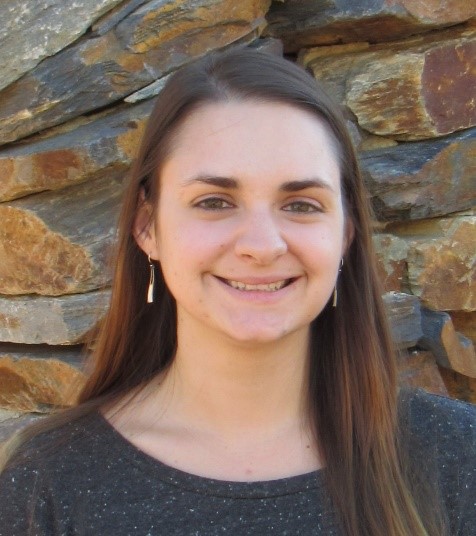
Christina Bergemann
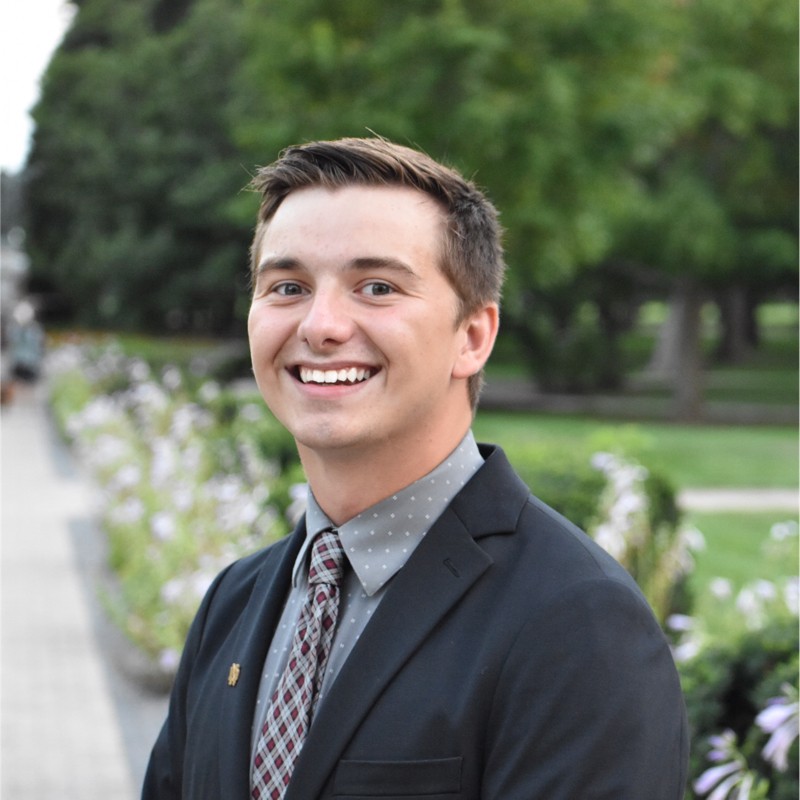
Christina graduated with her B.S. degree in Environmental Science from the University of North Carolina at Chapel Hill. After graduating, she worked in the Nicholas School for two years, looking at how preconception exposure to toxicants alters mitochondrial function in offspring. In the future, she hopes to explore how diet and the microbiome can influence chemical susceptibility and mitochondrial function.
PhD Program: Environment
2025-2026 Status: 6th year
Corbin Hite
Corbin earned a B.S. in Biological Sciences from the University of Notre Dame with a concentration in Infectious Disease & Global Health and a minor in Energy Studies. His undergraduate research surrounded anthropogenic change on freshwater systems, and his thesis investigated the impact of invasive vegetation on Pacific salmon in Alaskan lakes. Currently, Corbin investigates the role that environmental exposures play in driving susceptibility to childhood diseases through immunological and microbiome disruption. Alongside completing a certificate in global health at Duke, the research adds to his larger goal of understanding how climate and environmental change exacerbates public health inequities. In his free time, Corbin enjoys running, hiking, sand volleyball, and playing board games.
PhD Program: Environment
Faculty Advisors: Kate Hoffman, PhD and Jillian Hurst, PhD
2025-2026 Status: 2nd year
Contact: corbin.hite@duke.edu
Pronouns: He/him/his
LinkedIn: https://www.linkedin.com/in/corbin-hite-0663731a8/
Elizabeth Boxer
Elizabeth Boxer earned her B.A. in Environmental Studies with a Biology minor from Northeastern University in Boston. While at Northeastern she conducted research on the social and scientific discovery of per- and polyfluoroalkyl substances (PFAS) at the Social Science Environmental Health Research Institute. This work included helping to create the first national database and map of U.S. PFAS drinking water contamination. After undergraduate she worked at Accenture in their Health and Public Service practice for two years before moving to California to pursue her MPH in Environmental Health Sciences at UC Berkeley. While at Berkeley, she interned at California’s Office of Environmental Health Hazard Assessment (OEHHA) in their Reproductive and Cancer Hazard Assessment Branch and conducted a meta analysis of maternal PFHxS exposure and infant birthweight for her master’s capstone. She is excited to continue to follow her passions in reproductive and developmental health at Duke working under Dr. Kate Hoffman evaluating maternal and infant exposure to semi-volatile organic compounds (SVOCs) and childhood immune outcomes.
PhD Program: Environment
2025-2026 Status: 4th year
Pronouns: she / her / hers
Emily Green
Emily earned dual B.S. degrees in Biology and Marine Science from the University of Miami in 2020. After graduation, she joined the Reproductive and Developmental Toxicology Branch at the US EPA as an ORISE Fellow, where she investigated toxic chemical mixture interactions using in vitro bioassays and mathematical modeling. At Duke, Emily’s thesis research bridges developmental toxicology and environmental microbiology. She uses lab-reared zebrafish to explore how the microbiome influences embryonic development and responses to chemical exposures. In parallel, she utilizes wild-caught Atlantic killifish with distinct pollution adaptation histories to understand how host-microbiome interactions shape evolutionary responses to chemical exposures in natural populations. When she is not in the lab, Emily enjoys rock climbing, mountain biking, hiking, and exploring new places!
PhD Program: Environment
2025-2026 Status: 5th year
Pronouns: she / her / hers
Guru Ulaganathan
Guru earned his B.S. in Microbiology, Immunology and Molecular Genetics from the University of California, Los Angeles (UCLA) in 2023. As an undergraduate, his research centered around using C. elegans as a model to study chemical reprotoxicity. At Duke, he is focused on studying the effects of heavy metals and cannabinoids on developmental neurotoxicity. Outside the lab, Guru is usually reading whodunnits or occasionally biking at night.
PhD Program: Environment
Faculty Advisor: Susan Murphy, PhD
2025 – 2026 Status: 3rd year
Contact: guru.ulaganathan@duke.edu
Pronouns: he/him/his
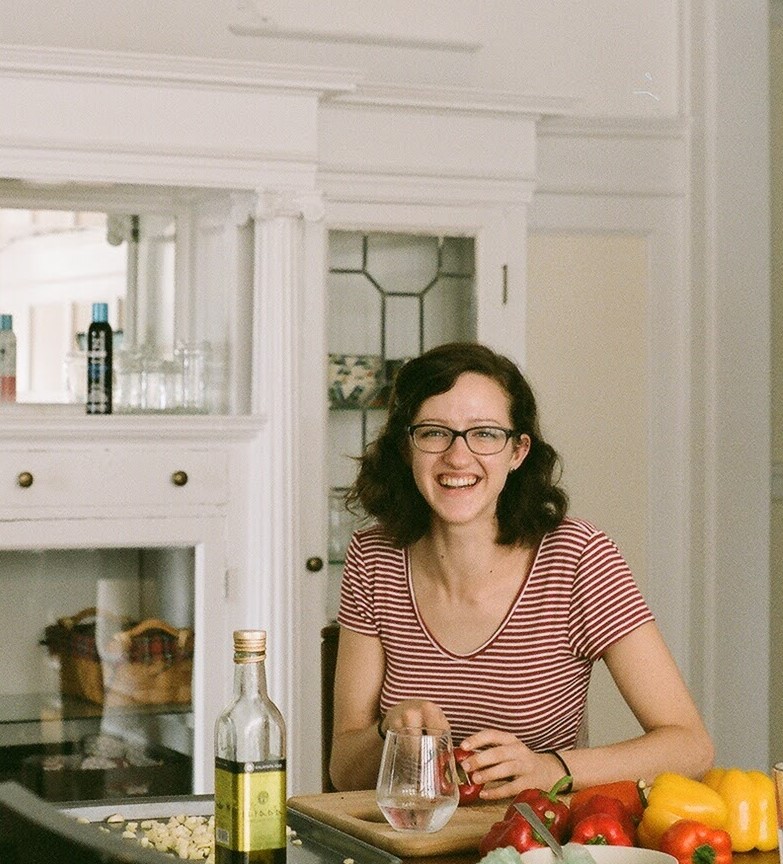
Ilaria Merutka
Ilaria came to environmental toxicology with a background in biochemistry (B.S. 2017, Univ of Chicago) and cell biology (research technician, OHSU). Her thesis work in the Jayasundara Lab has focused on environmental drivers of kidney health, and specifically, how chronic exposure to metals and glyphosate in drinking water can undermine renal function at the subcellular and physiological levels. Next, she hopes to further contribute to understanding the role of environmental exposures in kidney health or otherwise leverage her expertise in toxicology to provide scientific support to environmental protection processes and advocacy. She is passionate about native plant restoration and enriching urban land use for biodiversity, hiking, video games, and improving the translatability of toxicology research to citizens and other scientific fields.
PhD Program: Environment
2025-2026 Status: 6th year
Pronouns: she / her / hers
Johann Valera-Vega
Johann earned his B.S. in Biological Sciences under the Neurobiology, Physiology, and
Behavior track from Arizona State University. As an undergraduate, he conducted research
assessing the efficacy of myriad neurotherapeutic modalities for neurodegenerative diseases,
such as Alzheimer’s and Parkinson’s disease. He defended his honors thesis on the use of the
irisin myokine as a potential neurotherapeutic in a rodent tauopathy model, supporting previous
work observing that irisin increases autophagic flux to clear aggregated tau in vitro. He also
completed an internship as part of the NSF REU summer program at the Marine Biological
Laboratory in Woods Hole, MA, where he investigated the impacts of an α-synuclein inhibitor,
NPT100-18A, on the giant synapses of larval stage Atlantic sea lamprey. Overall, Johann is
interested in researching the links between environmental toxins and neurodegenerative
disorders, as well as assessing the impacts of PFAS chemicals on the neurophysiology of
model organisms. In his free time, he enjoys playing soccer, DJing, making art, and exploring
nature.
PhD Program: Unafilliated
Faculty Advisor: N/A
2025-2026 Status: 1st year
Contact: johann.valera-vega@duke.edu
Pronouns: he / him / his
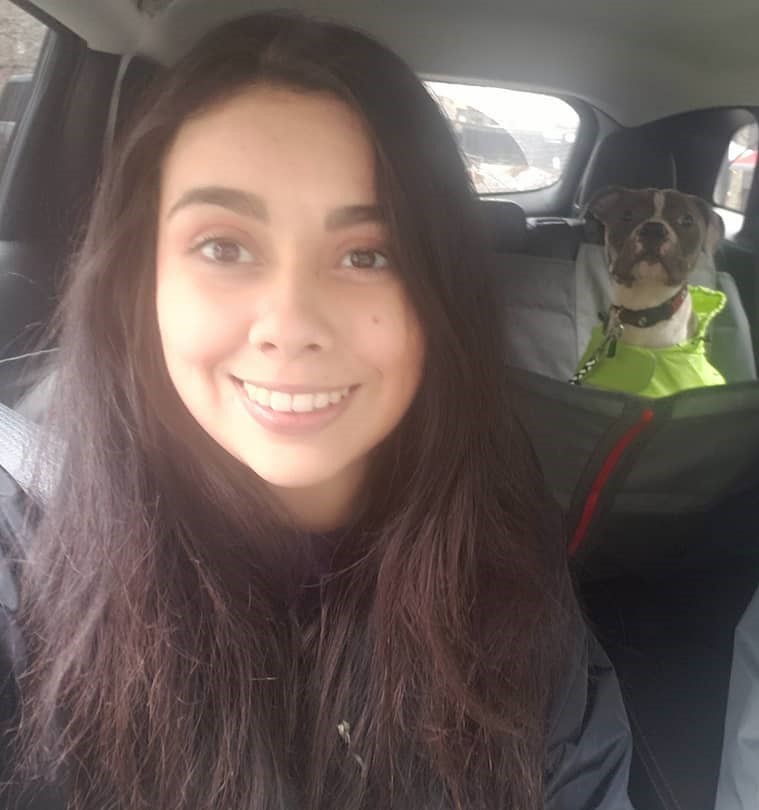
Karina Cuevas Mora
Karina earned her B.S. in Biochemistry and Molecular Biology from Penn State University and an M.S. in Biomedical Sciences from Jefferson University. During her master’s program, she worked full-time as a research technician studying the effects of chronic versus acute injury in the lung. She also worked on identifying biased ligands for the treatment of severe asthma. Her work and courses at Jefferson sparked the passion for understanding the effects of environmental toxicants on the human body. Outside of the lab you can find her spoiling her dog, Orfelio, or watching stand-up comedy.
PhD Program: Pathology
2025-2026: Status: 3rd year
Faculty Advisor: Liping Feng, PhD
Contact: karina.cuevasmora@duke.edu
Pronouns: she/her/hers
LinkedIn: https://www.linkedin.com/in/karina-cuevas-mora/
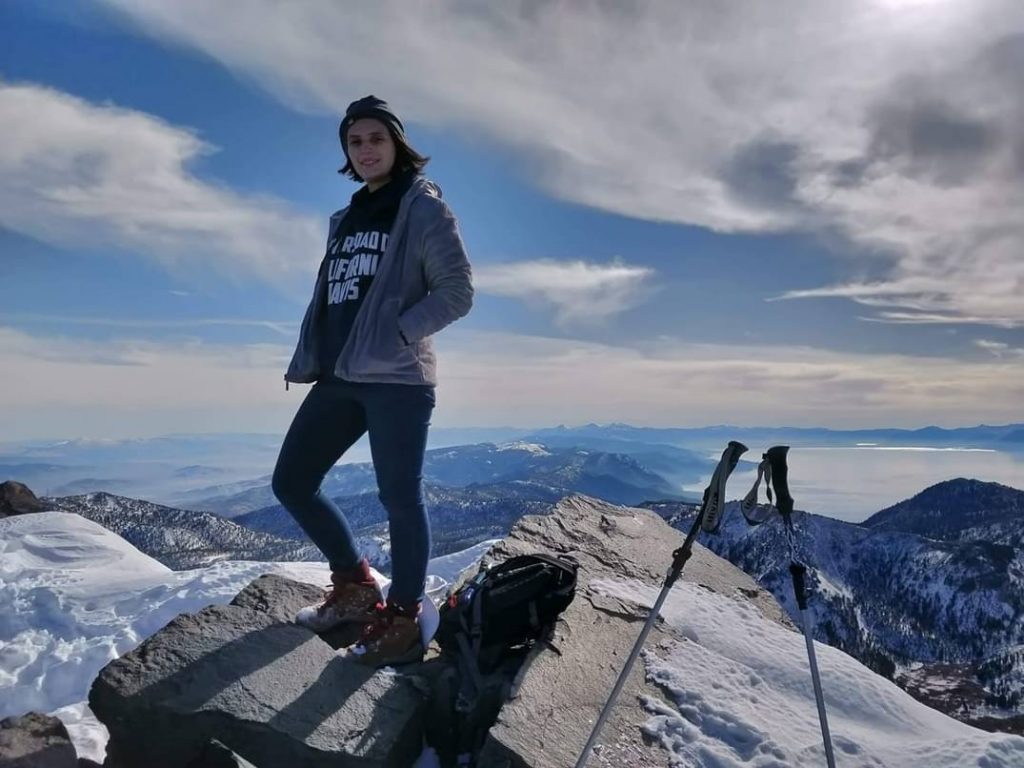
Laura Jameson
Laura earned her B.S. in Cognitive Science, Neuroscience track from University of California, Davis then worked as a research technician in Dr. Maxwell Leung’s lab at Arizona State University studying the possible co-exposure effects of cannabinoids and contaminants in the neurological function of model organism c. elegans. In order to assess which contaminants pose risks to consumers, she led the effort to make a comprehensive list of all regulated contaminants in cannabis across the U.S. As an undergraduate she studied nuclear anchorage and migration proteins creating CRISPR mutations in Dan Starr’s lab at UC Davis.
PhD Program: Environment
2025-2026 Status: 4th year
Mackenzie Laney
Mackenzie earned her B.S. in Marine Biology and B.A. in Chemistry from the University of North Carolina Wilmington in 2021. During her undergraduate studies she conducted an honors thesis on the impacts of Hurricane Florence on the benthic population of the Cape Fear River estuary, and also fell in love with teaching organic chemistry. In the year between starting graduate school, she worked as a lab technician in an analytical chemistry lab in Denver, Colorado. In 2024, she earned a Master’s in Marine, Atmospheric and Sustainability Sciences at Stony Brook University, and her thesis investigated the bioaccumulation of PFASs by marine polychaetes. In her free time, she enjoys going to concerts, hiking, and reading.
PhD Program: Environment
2025-2026 Status: 2nd year
Pronouns: she/her/hers
Morgan Orsolini
Morgan completed a B.S. in Animal Sciences at California Polytechnic State University, San Luis Obispo, and an M.S. in Animal Biology at University of California, Davis. Her Master’s thesis examined the relationship between biophysical properties of stallion spermatozoa and fertility, and subsequent selection of sperm for in vitro fertilization. Morgan also completed a year with the San Diego Zoo Reproductive Sciences team studying physiological stress and endotheliotrophic herpes virus in elephants. Morgan joined Duke’s Integrated Toxicology and Environmental Health program in order to learn how different toxicants can affect fertility and the progression of embryo development and pregnancy.
PhD Program: Environment
Faculty Advisor: Danny Schust, MD
2024-2025 Status: 2nd year
Contact: morgan.orsolini@duke.edu
Pronouns: she / her / hers
LinkedIn: https://www.linkedin.com/in/morgan-orsolini-b710b9153/
Olivia Kline
Olivia earned her B.S. in Biology with a concentration in Microbes and Immunity and her M.S. in Epidemiology and Clinical Research from Stanford University. Before starting her Ph.D., she conducted research for two years at the Harvard T.H. Chan School of Public Health, focusing on how environmental exposures—such as air pollution and wildfire smoke—affect the immune system. She has worked extensively with multi-omics and molecular epidemiology approaches, including organoid models, flow cytometry, and CyTOF (Cytometry by Time Of Flight). Outside of research, Olivia enjoys spending time with friends and family, gardening, and (mostly successfully) trying new recipes.
PhD Program: Unaffiliated
Faculty Advisor: N/A
2025-2026 Status: 1st year
Contact: olivia.kline@duke.edu
Pronouns: she / her / hers
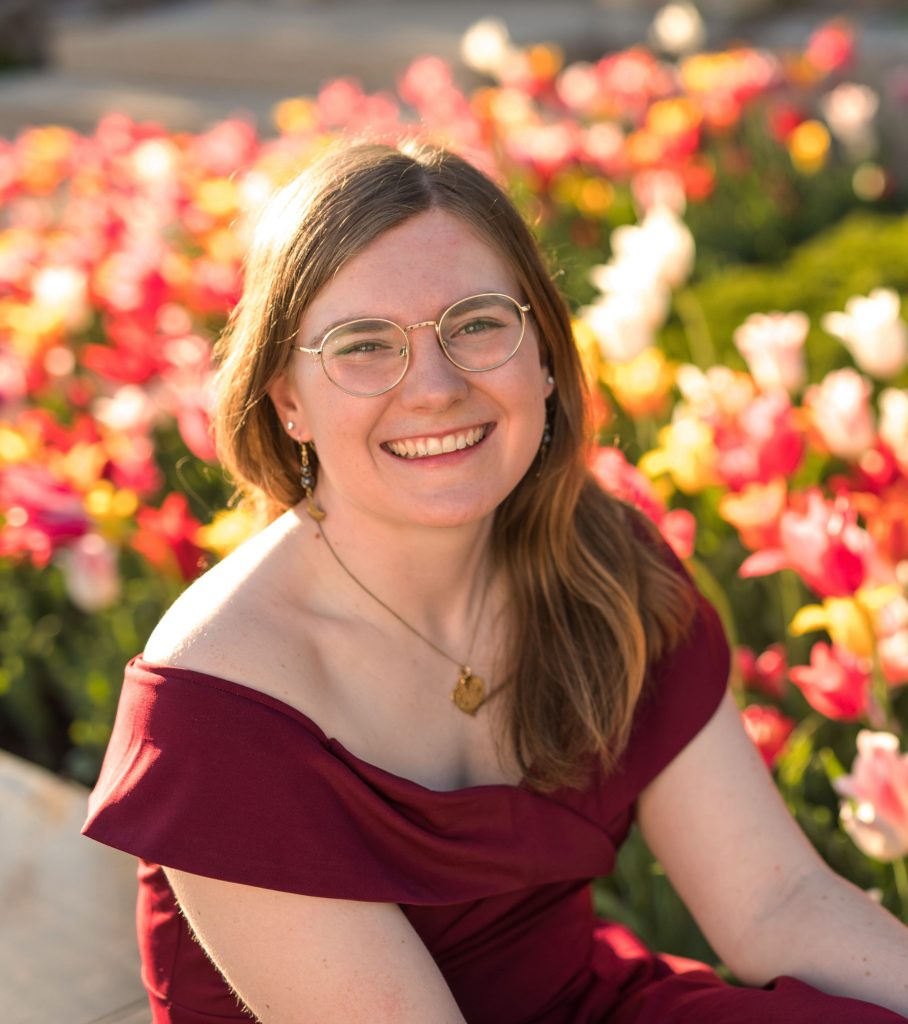
Rebecca Hoehn
Rebecca is a 5th year PhD student in the Stapleton lab. She earned her B.S. in Pharmacology and Toxicology at the University of Wisconsin-Madison in 2020, alongside certificates in Global Health and Environmental Studies. Her undergraduate research on the fate and transport of organic contaminants in crop plants fostered her interest in environmental chemistry and human health, which drew her to join Duke’s Integrated Toxicology and Environmental Health Program (ITEHP). Rebecca’s research in the Stapleton Lab utilizes silicone passive samplers to investigate human exposures to semi-volatile organic compounds (SVOCs) including flame retardants, phthalates, pesticides, and polycyclic aromatic hydrocarbons (PAHs). Her work centers on characterizing these exposures in a pregnancy cohort, identification of sources in indoor environments (homes and vehicles), and development of exposure reduction strategies. She is also investigating patterns of exposure and aims to identify predictors of exposure differences between individuals. Outside of the lab, Rebecca enjoys spending time outdoors, trying new local cuisine, painting and crafting, and tending to her many houseplants.
PhD Program: Environment
2025-2026 Status: 5th year
Pronouns: she / her / hers
Samantha Phelps
Born in North Carolina and raised in Buffalo, NY, Sam earned her B.S. in Biochemistry and Neuroscience from the University at Buffalo in 2021. Prior to starting her PhD, she studied a range of things, from ion channels to DNA damage repair. At Duke, she is using Atlantic killifish to study how evolutionary adaptation to chemical pollution impacts the health of wild fish populations in Norfolk, VA. She hopes her research can help inform environmental & ecological risk assessments by helping us understand how chemical contamination can make local populations more susceptible to other kinds of environmental stress. Outside the lab, you can find her hiking, playing videogames, reading, or crafting.
PhD program: Environment
2025-2026 Status: 3rd year
Pronouns: she/her/hers
Sierra Smith
Sierra earned her B.A. in Neuroscience with a concentration in Environmental Studies from Kenyon College in 2022. As an undergraduate, she conducted research on how the extracellular environment of a nerve influences peripheral nervous system patterning. After graduation, Sierra joined the Duke cell biology department as a research technician where she studied tissue morphogenesis using the semicircular canals of zebrafish as a model. Outside of lab, you can find her painting, backpacking, or enjoying a good book!
PhD Program: Environment
Faculty Advisor: Nishad Jayasundara, PhD
2025-2026 Status: 2nd year
Contact: sierra.smith@duke.edu
Pronouns: she / her / hers
LinkedIn: https://www.linkedin.com/in/sierra-smith-8b3942196/
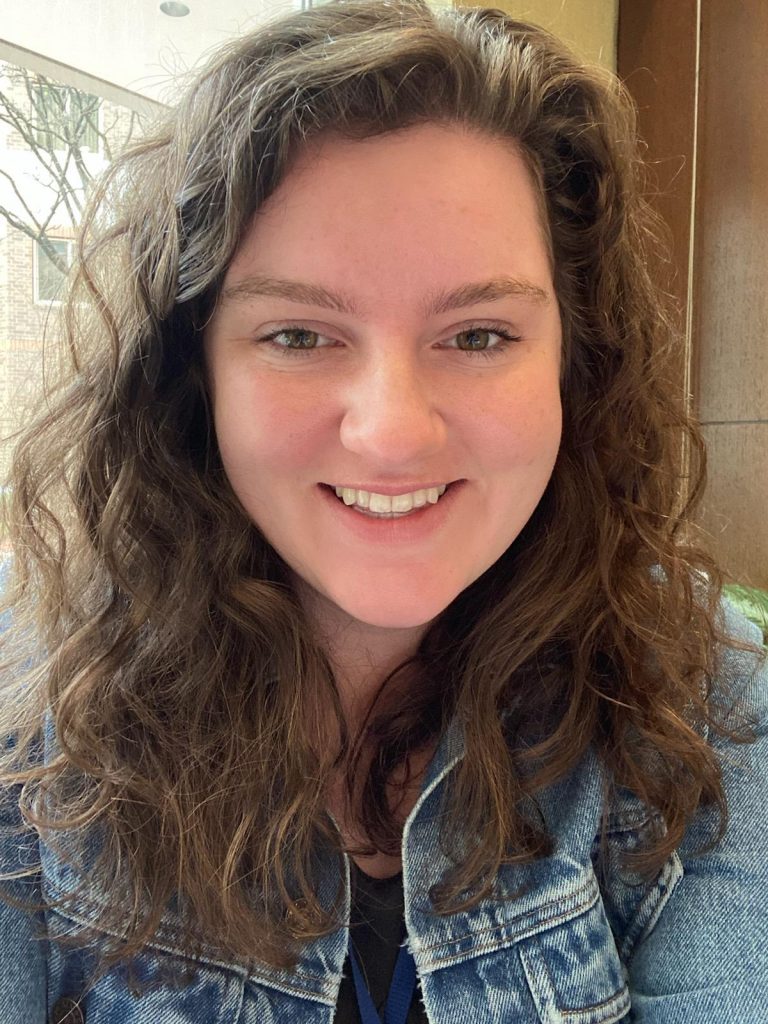
Tenley Weil
Tenley earned her B.S. in Neurobiology from the University of Washington in 2018. After graduating, she did a fellowship at the National Institute of Mental Health (NIMH) in the Section on Light and Circadian Rhythms. Her work at the NIMH characterized how a novel brain region mediates the effects of light on mood-related behaviors. As a doctoral scholar at Duke University, Tenley now studies air pollution, with an emphasis on ozone. Ozone is a common pollutant that causes lung injury, but some people react to it much worse than others! In the Tighe lab, her work focuses on identifying susceptible sub-populations and the mechanisms of injury using primary human airway epithelial cells.
PhD Program: Environment
2025-2026 Status: 4th year
Pronouns: she / her / hers