
Description: Microfluidic organ-on-a-chip platforms are redefining how we evaluate human safety and efficacy by coupling physiologically relevant microenvironments with patient-specific biology. Building on recent regulatory openness to advanced non-animal models, we leverage our engineered, induced pluripotent stem cell–derived, patient-specific kidney-on-a-chip systems to reproduce nephron-relevant structure, fluid flow, and molecular transport, enabling mechanistic interrogation of drug-induced kidney injury. This presentation will outline design principles that drive in vivo–like tissue morphogenesis and organ-level functions, and show how these dynamic platforms accelerate nephrotoxicity screening, de-risk therapeutic candidate selection, and reveal patient-to-patient variability in susceptibility. Case studies will illustrate concordance with known nephrotoxins, detection of off-targets and cardio-renal complications, and discovery of biomarkers and pathways that inform safer dosing and therapeutic development. Together, these advances position patient-specific kidney-on-a-chip models as actionable tools for predictive toxicology and drug discovery in environmental and clinical contexts.
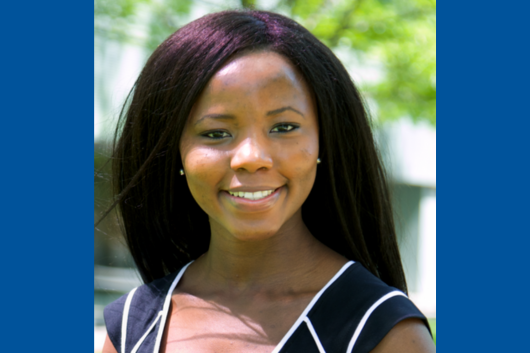
About the speaker: Dr. Samira Musah is an internationally recognized leader in stem cell engineering and human-relevant microphysiological systems, serving as the Alfred M. Hunt Faculty Scholar Assistant Professor at Duke University with joint appointments in Biomedical Engineering and Medicine (Nephrology). She holds a secondary faculty appointment in the Department of Cell Biology, and is a member of the Developmental and Stem Cell Biology Program. Renowned for pioneering research at the interface of stem cell biology, biophysics, biomechanics, and translational bioengineering, Dr. Musah has developed groundbreaking methods for patient-specific stem cell differentiation and engineered human-relevant organ-on-chip platforms that have transformed disease modeling and therapeutic discovery, particularly for kidney and vascular diseases. Her innovative work has resulted in several peer-reviewed journal publications (Nature Biomed. Eng., Nature Protocols, Science Advances, PNAS, Cell Stem Cell, ACS Nano, etc.); patented and licensed technologies (to Stem Cell Technologies, Emulate Bio., etc.); and has been recognized with numerous prestigious awards, including the NIH Director’s New Innovator Award, Whitehead Scholarship in Biomedical Research, Burroughs Wellcome Fund Career Transition Award, Cellular and Molecular Biology (CMBE) Young Innovator, Baxter’s Young Investigator Award, Genentech Research Award, and the Duke Innovation & Entrepreneurship Initiative Award. Dr. Musah’s research has been featured in Nature Biotechnology, Cell Stem Cell, Harvard Catalyst, and Forbes Magazine. She was named an “Inspiring Scientist in America” by Cell Press, an “Outstanding and Trailblazing Researcher” by Nature Biotechnology, and a Rising Star in Biomedical Engineering at MIT. As the associate director of the Duke Center for Biomolecular and Tissue Engineering and the NIH T32 program, Dr. Musah is deeply committed to mentoring the next generation of scientists and engineers, with her trainees earning highly competitive fellowships (e.g., NSF GRFP, HHMI Gilliam, NIH T32, etc.) and positions at leading institutions nationwide (Georgia Tech, Harvard, MIT, Rice Univ., Vanderbilt Univ., etc.). Her service to the profession and community is reflected in her leadership of interdisciplinary research teams, her dedication to mentorship, pursuit of excellence, and impactful outreach in local, national, and international settings. Dr. Musah has a unique combination of scientific vision, technical expertise, and proven leadership in research, education, and mentorship.
Friday, September 19, 2025
Field Auditorium, Room 1112, Grainger Hall (9 Circuit Drive, Durham, NC)
This seminar will also be presented live via Zoom; it will NOT be recorded. Click HERE to register for the link.