

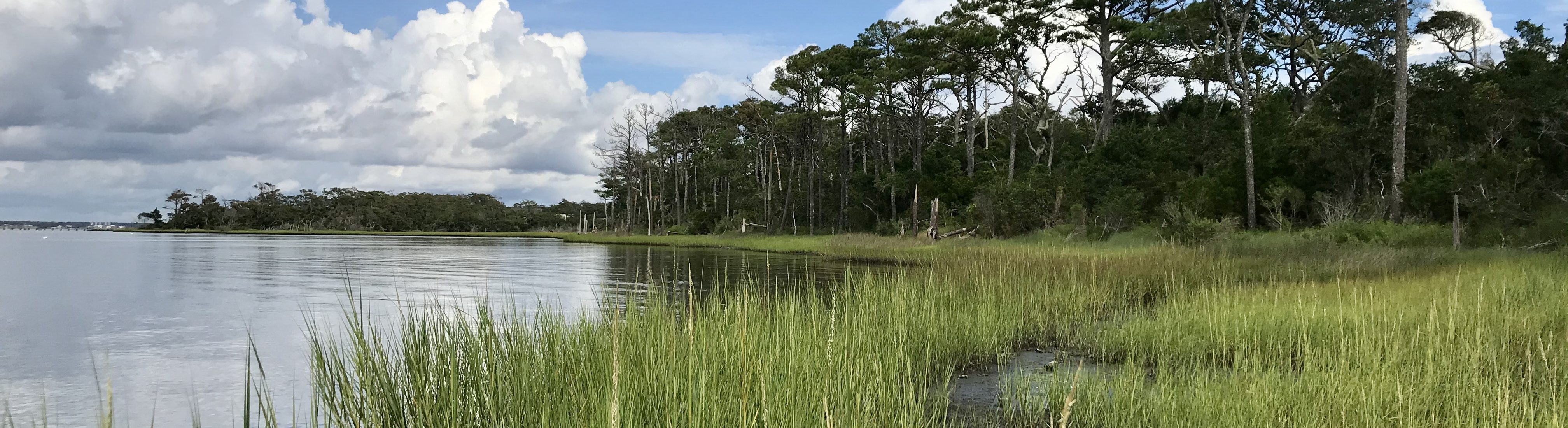

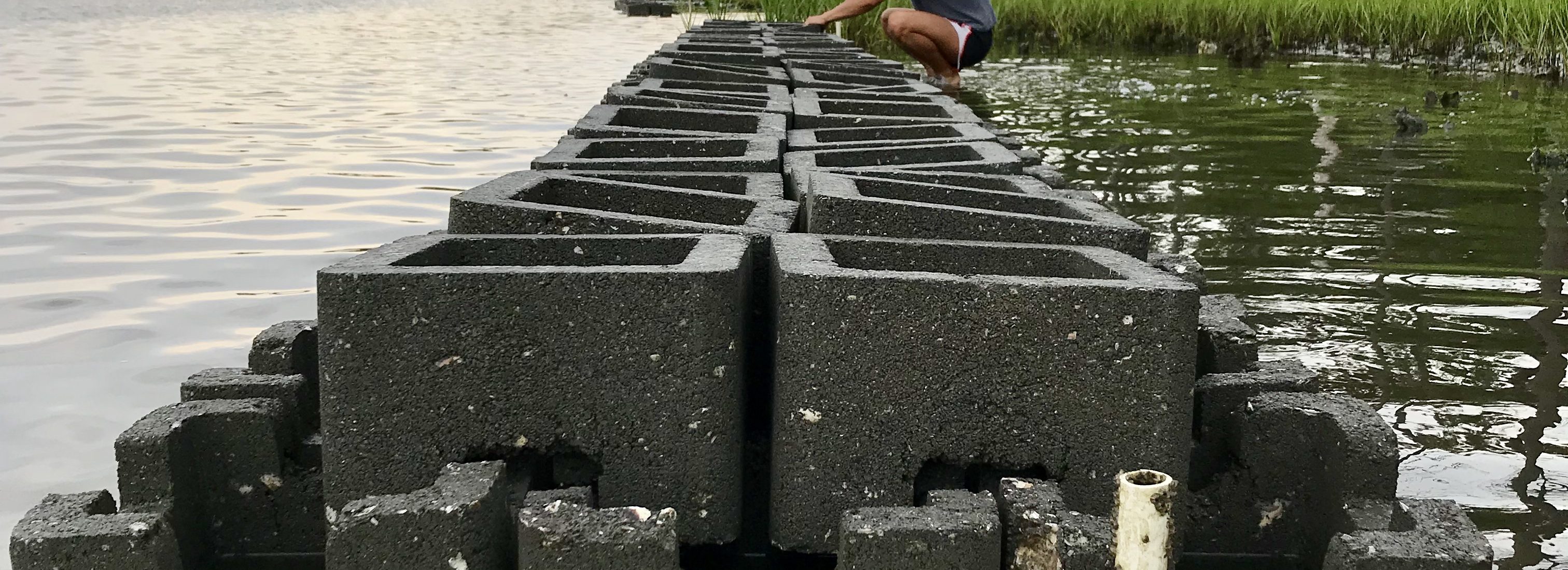
Ecosystem-friendly alternatives to traditional coastal defense structures are becoming more prevalent as they can provide superior coastal protective services to traditional infrastructure, while also generating additional benefits to society such as carbon sequestration and nursery functions. We are working to improve the science of living shorelines in North Carolina, including creating a vision for a marsh plant nursery at the Duke Marine Lab. Additionally, NSOE faculty are leading a global effort to test how intentionally including positive feedbacks generated by species into restoration can lead to drastic, and no cost increases in restoration efficiency. Duke Restore will provide a larger platform for integration of these findings across all the world’s ecosystems to maximize ecological and social restoration outcomes.
Our Team
Faculty Advisor

2nd Year Lead
Our Goals and Projects
The Living Shorelines Team is interested in alternatives to traditional coastal defense structures. This year, the team will focus on:
• Monitoring living shorelines at Cherry Point Air Station
• Creating Master’s Projects related to the geomorphological change at Cherry Point Air Station
• Assisting in dune restoration work in collaboration with the Silliman Lab
• Tracking Living Shorelines funding in North Carolina
Research Spotlight- Tiffany Paalman!
I’m Tiffany Paalman, a Ph.D. student in the Silliman lab. I’m interested in the relative effects of predators and habitat structure on influence foundation species recovery and function. By examining the roles of species interactions and environmental factors in influencing ecological processes in coastal ecosystems, I aim to inform future conservation, restoration, and management practices. Investigating the ecological impacts and structural development of living shorelines allows me the innovative opportunity to study how coastal species adapt to restoration efforts.


More resources
- The Living Shorelines Academy
- Visit our Publications page