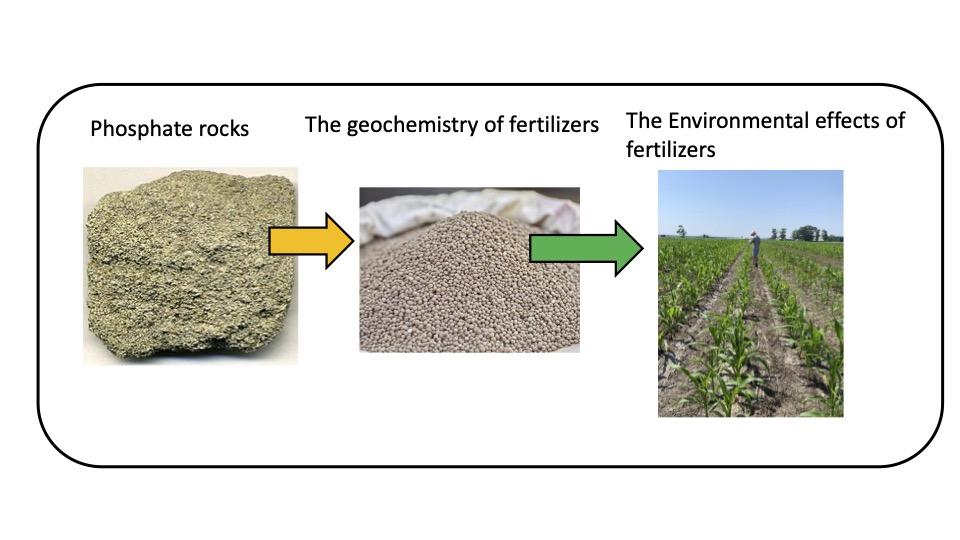
Phosphorus (P) is one of the primary macronutrients essential for plant growth and crop production, and thus its availability is important for sustainable agriculture development and food security. Approximately 47 million tons of P-fertilizers are annually generated from phosphate rocks and applied worldwide. Intensification of P-fertilizer utilization over the last few decades has caused widespread eutrophication and degradation of the quality of freshwater resources and coastal areas. Yet elevated levels of metals in phosphate rocks and P-fertilizers such as cadmium, chromium, and uranium pose less recognized but significant potential risks to soil and water quality. Although pollution of soils and water from P-fertilizer applications has been documented in a few case studies, no systematic evaluation on the occurrence of metals in global phosphate ores and the ability to detect their impact in the environment have been conducted. The results of this study will have important and critical information on levels of metals in global phosphate rocks as well as in various fertilizers utilized in the U.S., the long-term impact on soil and water quality in agricultural areas, and the possible risks for rural communities in areas of extensive P-fertilizers utilization.
Publications:
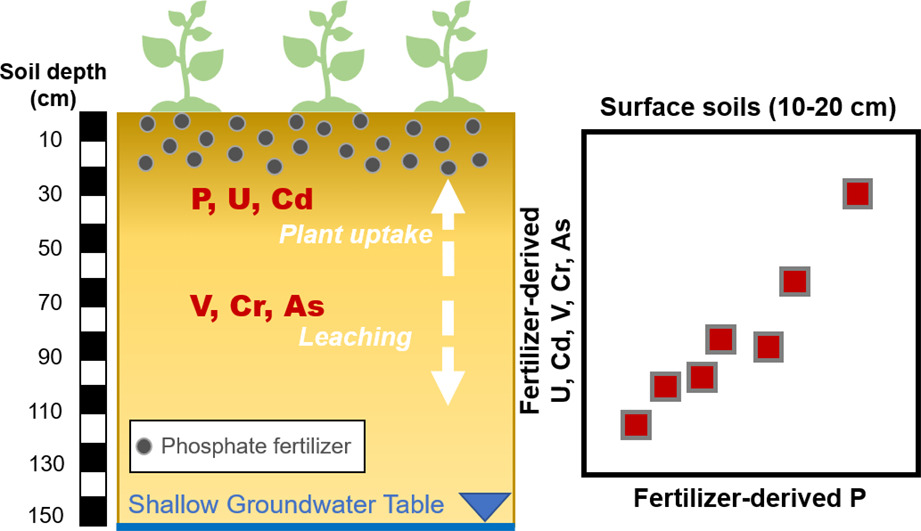
Hu, J., Wang, Z., Williams, G., Dwyer, G.S., Gatiboni, L., Duckworth, O.W., Vengosh, A. (2023). Evidence for the accumulation of toxic metal(loid)s in agricultural soils impacted from long-term application of phosphate fertilizer. Science of The Total Environment, 167863. https://doi.org/10.1016/j.scitotenv.2023.167863
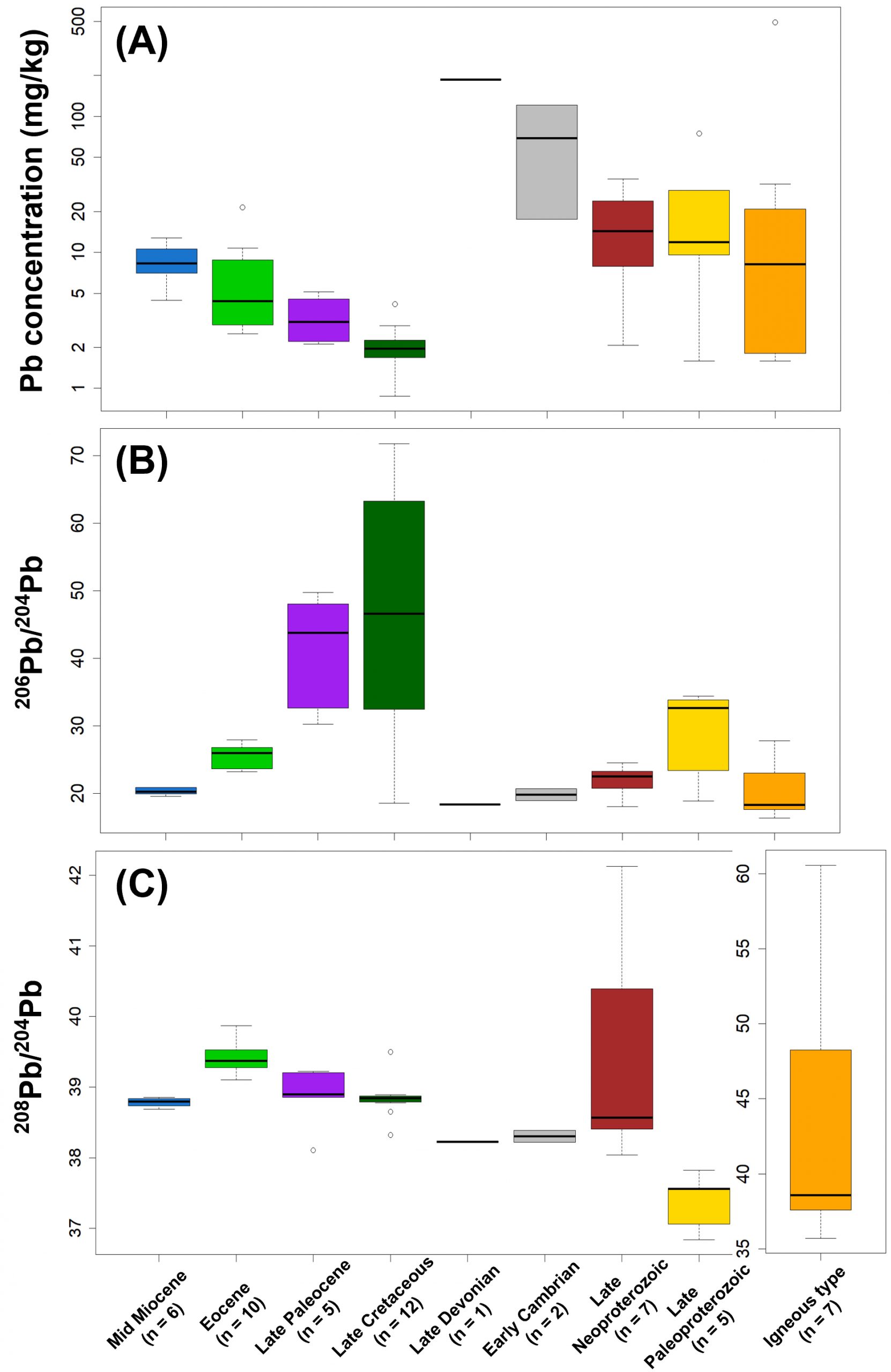
Wang, Z., Hill, R., Williams, G., Dwyer, G.S., Hu, J., Schnug, E., Bol, R., Sun, Y., Coleman, D.S, Liu, X-M., Sandstrom, M.R., Vengosh, A. (2023). Lead isotopes and rare earth elements geochemistry of global phosphate rocks: Insights into depositional conditions and environmental tracing. Chemical Geology, 639, 121715. https://doi.org/10.1016/j.chemgeo.2023.121715

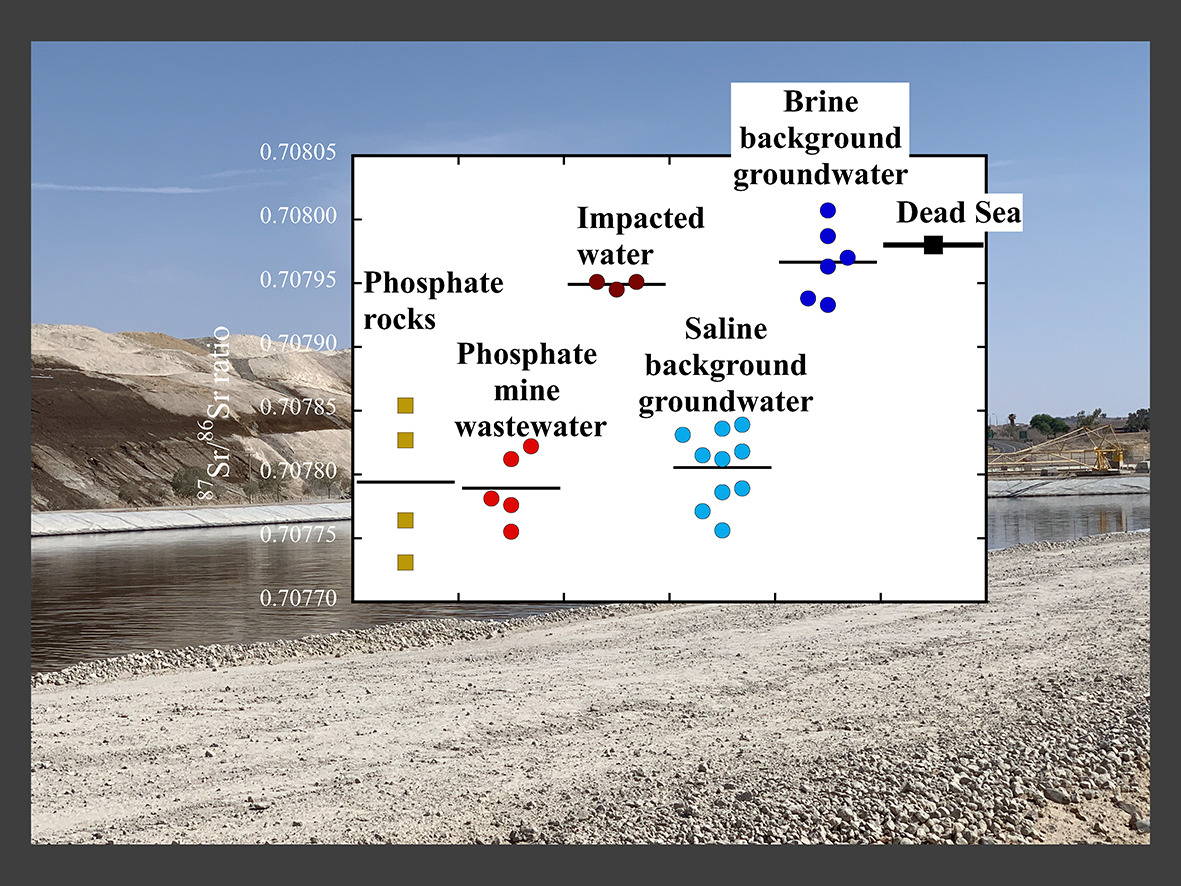
Vengosh, A., Wang, Z., Williams, G., Hill, R., Coyte, R.M., Dwyer, G.S. (2022). The strontium isotope fingerprint of phosphate rocks mining. Science of The Total Environment, 157971. (https://doi.org/10.1016/j.scitotenv.2022.157971).