
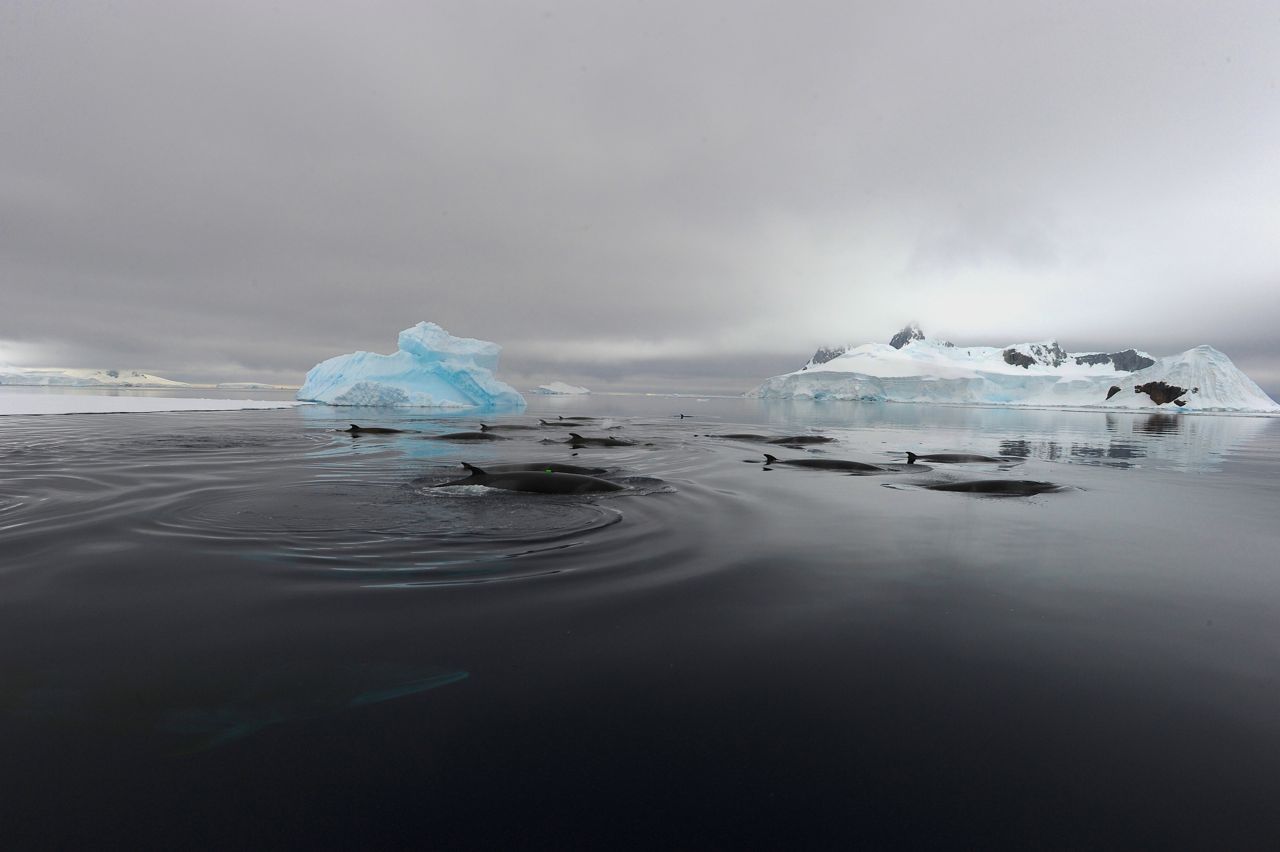
In our 2013 field season we managed to apply two suction cup digital acoustic tags to Antarctic minke whales. The recordings made by these tags helped to solve a decades-old mystery of the source of the ‘bio-duck’ sound which has been commonly heard in the Antarctic but never before attributed […]
aread@duke.edu
101 posts
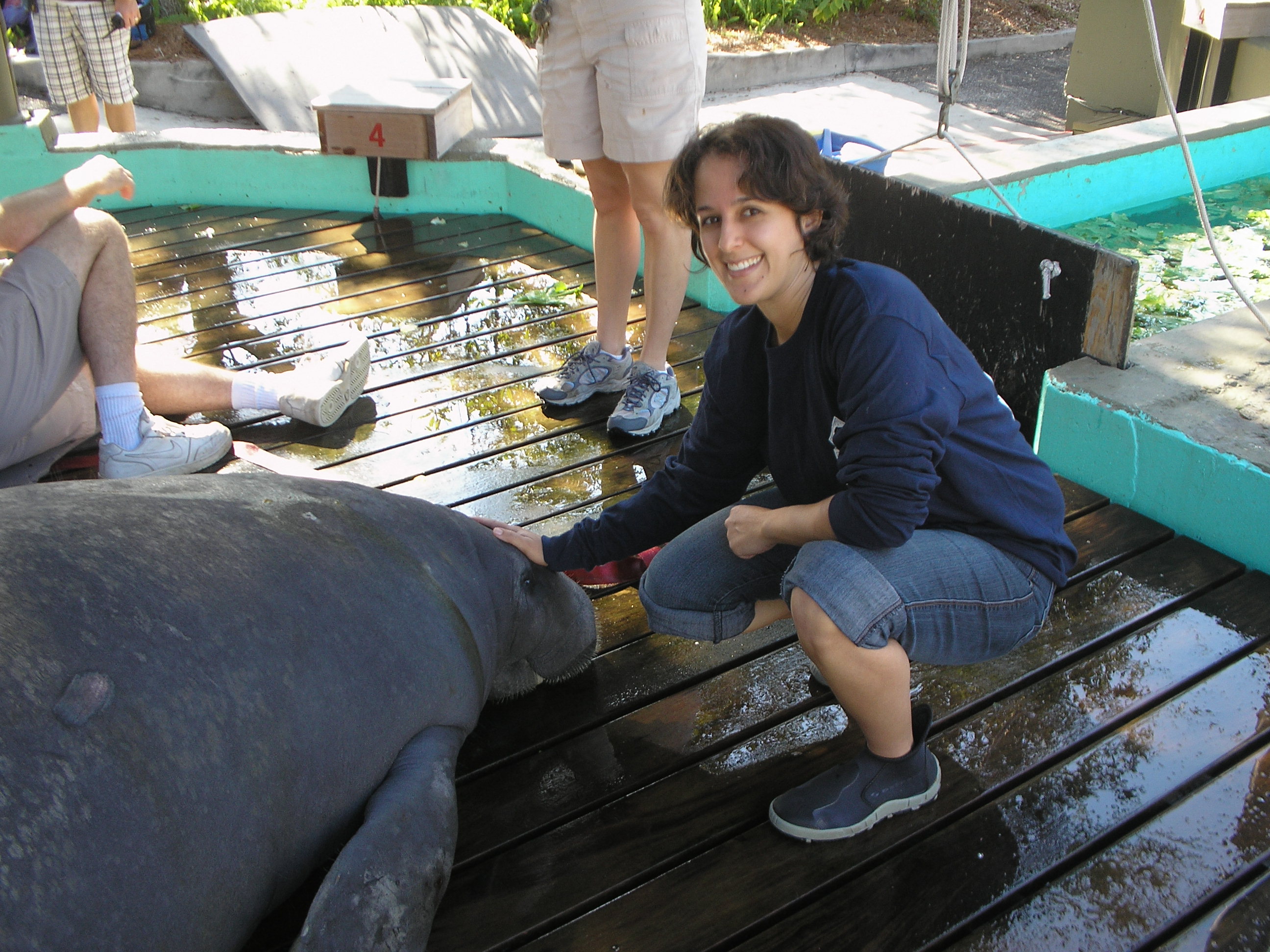
Haydee has been awarded a Faculty for the Future Fellowship from the Schlumberger Foundation. The fellowships carry renewable grants of up to $50,000 annually. They are awarded to women from developing and emerging economies pursuing PhD or postdoctoral studies in the physical sciences, engineering and technology, or interdisciplinary research between […]
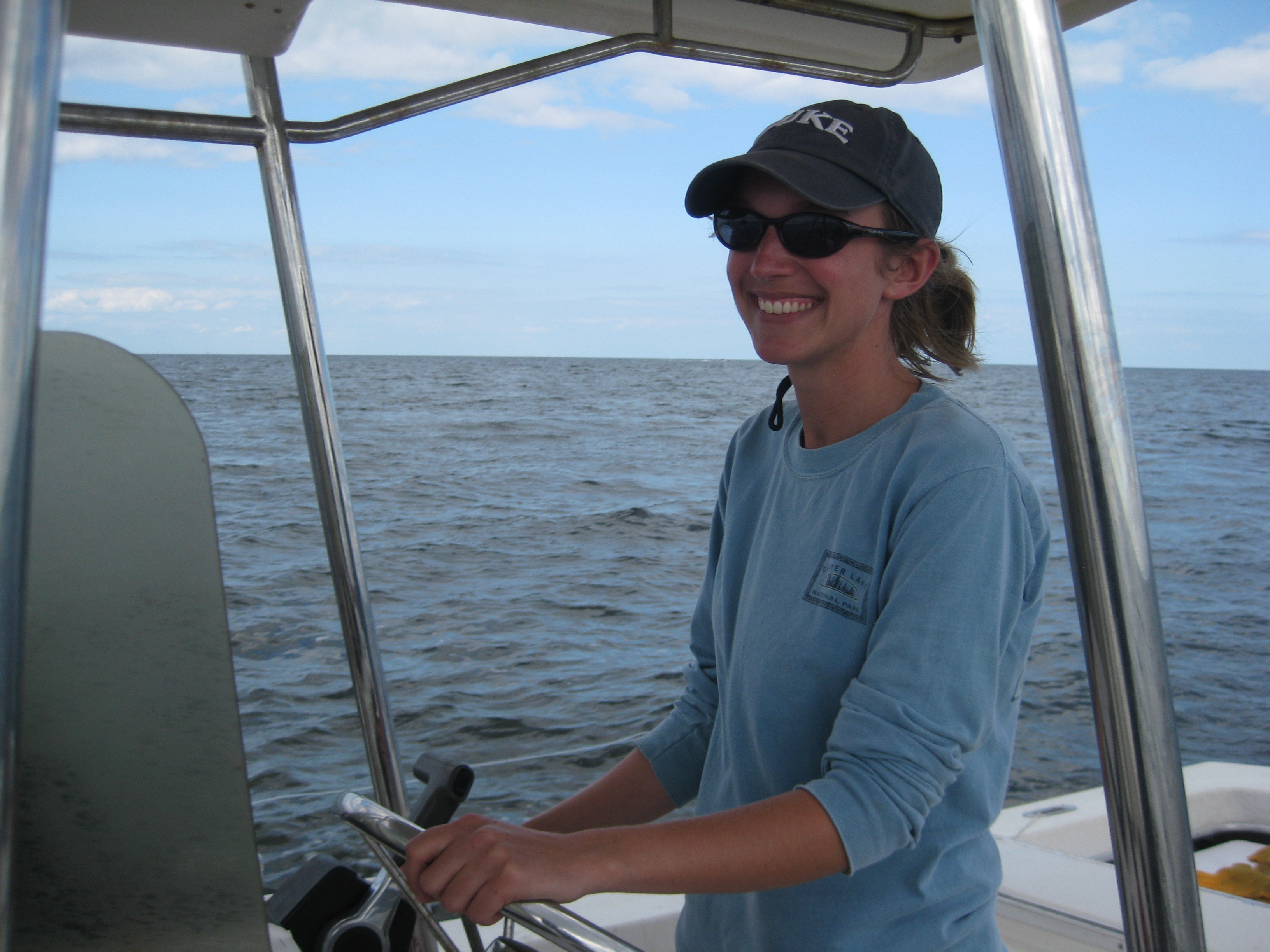
Kristina presented her public seminar and defended her Ph.D. dissertation, The Influence of Genetic Variation on Susceptibility of Common Bottlenose Dolphins (Tursiops truncatus) to Harmful Algal Blooms, on April 7th. Many thanks to her committee members, Drs. Rich DiGiulio, Eric Palkovacs, Patricia Rosel, Tom Schultz and Randy Wells, for all their […]

Monday, March 31st was a good day for whales, as the International Court of Justice ruled for Australia in the case it had brought against Japan regarding special permit catches of Antarctic whales. The decision, which Japan has said it will adhere to, means an end to the Japanese ‘scientific […]
Follow the blog as Andy and Kim travel to the Antarctic Peninsula with 20 Duke alumni on the L’Austral.
Leah Gerber and colleagues have proposed that a system of catch shares could be used to promote the conservation of whales by allowing conservation groups to buy quotas of whales from whalers – essentially this system is a cap-and-trade market for swapping permits to kill or conserve whales. You can read […]
Follow Andy’s class as they examine the challenges associated with managing and conserving marine biodiversity in Hawaii. The course will focus on several case studies that involve the conservation of monk seals, green turtles and seabirds. The course is taught entirely in Hawaii. The first week is spent on Oahu, meeting […]
A stretch of exceptionally calm seas off of the North Carolina coast made for two very productive field days for some of the Read Lab researchers and students. On Friday morning, 4 October, we deployed five marine autonomous recording units (MARU), or pop-up buoys, across the continental shelf off of […]
Research conducted by Ph.D. student Kristina Cammen and Master’s student Brianne Soulen, a previous member of the Johnston lab, was recently featured on the Smithsonian’s Ocean Portal blog (http://ocean.si.edu/blog/ice-loving-seals-and-loss-sea-ice). Brianne and Kristina worked with Duke Marine Lab faculty Tom Schultz and Dave Johnston to investigate environmental and genetic factors that […]
Joy is coordinating a new passive acoustic monitoring project to detect North Atlantic right whales (Eubalaena glacialis) migrating past Cape Hatteras, North Carolina, during their seasonal movements to and from breeding grounds in Florida. This is a collaborative effort between research partners at Duke University, NOAA’s Northeast Fisheries Science Center […]