

CIRVA, the international recovery team for the vaquita, has asked an international group of experts to consider ex situ (out-of-habitat) options for conservation of the species. These options include the capture and housing of vaquitas in the Gulf of California. You can read about this approach in a news piece in Science. Presidents Pena […]
aread@duke.edu
101 posts
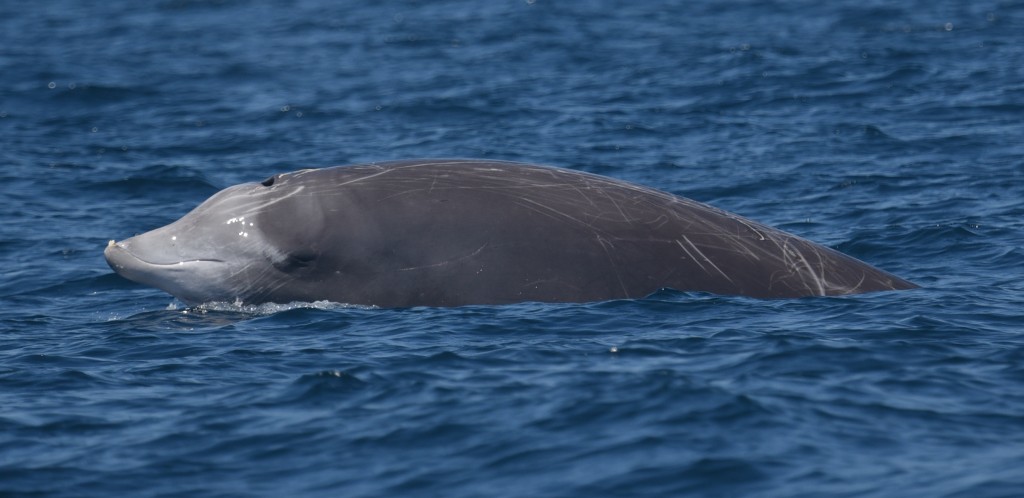
After a couple weeks of wind and rain, the weather gods smiled on us last week, and afforded us a chance to start our third year of satellite tagging work off Cape Hatteras, North Carolina, with Daniel Webster of Cascadia Research Collective. To date we have tagged forty short-finned […]

In May Andy attended the seventh meeting of CIRVA – the international recovery team for the vaquita. The team reviewed the results of the 2015 survey, which found only about 60 vaquitas left. Since then, at least three vaquitas have been killed by totoaba poachers. You can read the report […]

Doug Nowacek, Ari Friedlaender, Erin Puckett and Logan Pallin (a Duke undergraduate and now one of Ari’s master’s students at Oregon State) are on their way to the Antarctic to study the ecology of humpback whales as part of the annual Palmer Long Term Ecological Research (LTER) program, funded by the […]

The vaquita is the most endangered whale, dolphin, or porpoise in the world. The remnant population of less than 100 animals lives in a tiny area in the northern Gulf of California. The Government of Mexico is working to conserve the species, but it is threatened by an illegal fishery […]
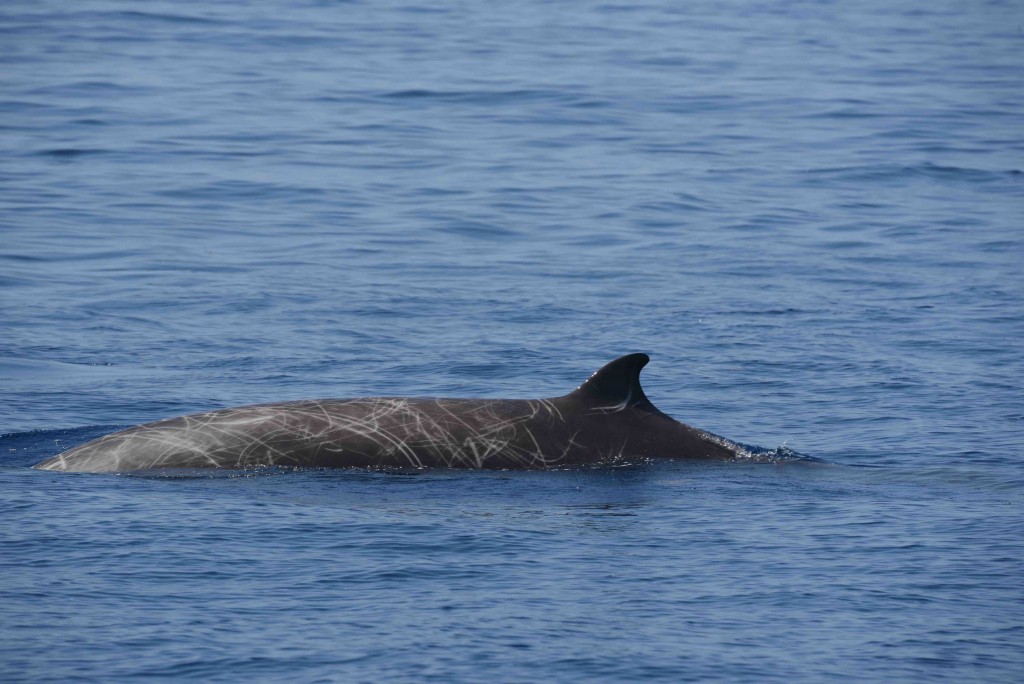
We wrapped up our early summer field season this week with three excellent days off Cape Hatteras. Overall, we deployed 15 satellite-linked transmitters: 10 on short-finned pilot whales, 3 on Cuvier’s beaked whales and one each on a pelagic bottlenose dolphin and a sperm whale (our first tag deployment on […]

This past week we’ve been working on our Deep Divers project – looking at the feeding ecology and diving behavior of three species of deep-diving odontocetes off Cape Hatteras: Cuvier’s beaked whales, short-finned pilot whales and sperm whales. The latter have yet to make an appearance, so we’ve been focusing […]
Joe Roman, Dave Johnston, Meagan Dunphy-Daly and Andy recently published a paper in Trends in Ecology and Evolution on the recovery of some populations of marine mammals. Using elephant seals, gray seals and humpback whales as examples, we discuss the challenges facing managers when populations of these marine predators recover […]
We’re now almost half-way through our spring field season – we’ve been busy working off Cape Hatteras for the past two weeks. We have deployed six satellite-linked transmitters on pilot whales and one more on a pelagic bottlenose dolphin. Two of the tags we have deployed on pilot whales also transmit data on […]
This spring we are once again deploying satellite tags on whales and dolphins off Cape Hatteras with Daniel Webster from the Cascadia Research Collective. Yesterday (May 16th) was our first day of real work and we managed to deploy three satellite tags on short-finned pilot whales. Two of the tags will […]